When the Arts Become a Lifeline: Celebrating Social Emotional Learning Month
March is National Social Emotional Learning Month — a time to honor the quiet, powerful moments when children learn who they are, how they feel, and how to connect with the world around them. At the Sandler Center Foundation, we see those moments every day. They unfold in school gyms, in hallways transformed into discovery zones, in classrooms lit by a laptop screen, and in theaters where a child sits a little taller because they feel like they belong.
This is the story of how the arts help children grow — not just as students, but as humans.
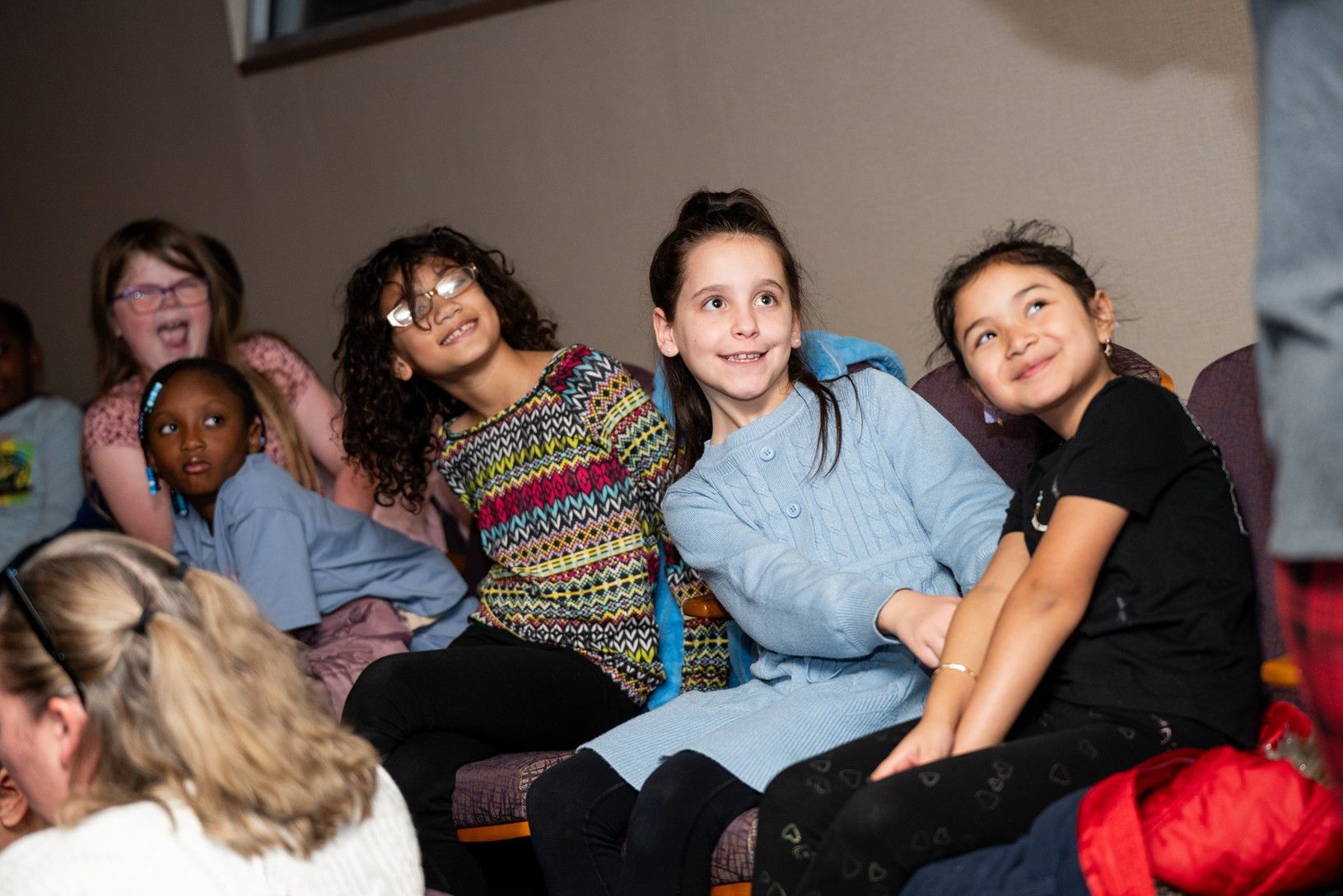
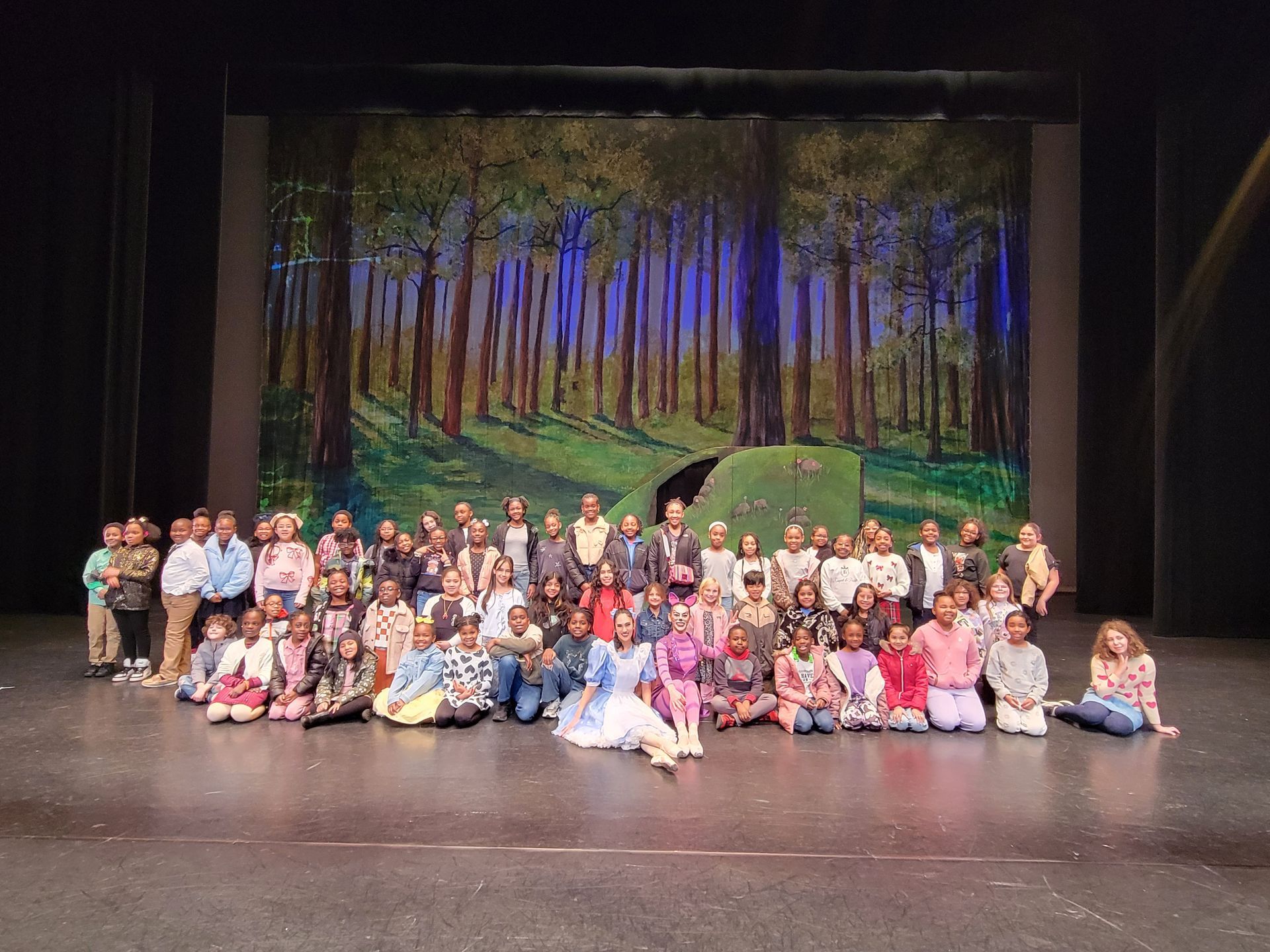
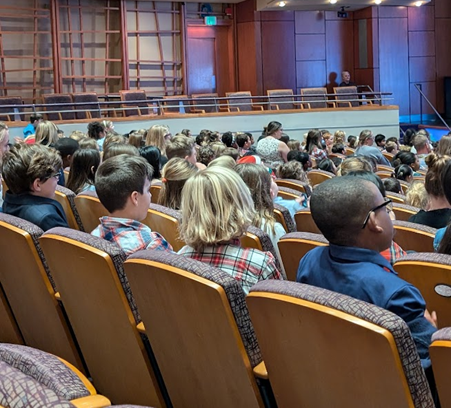
Leveling the Performing Field Students at the Sandler Center for the Performing Arts.
A Dancer Walks Into a School Gym…
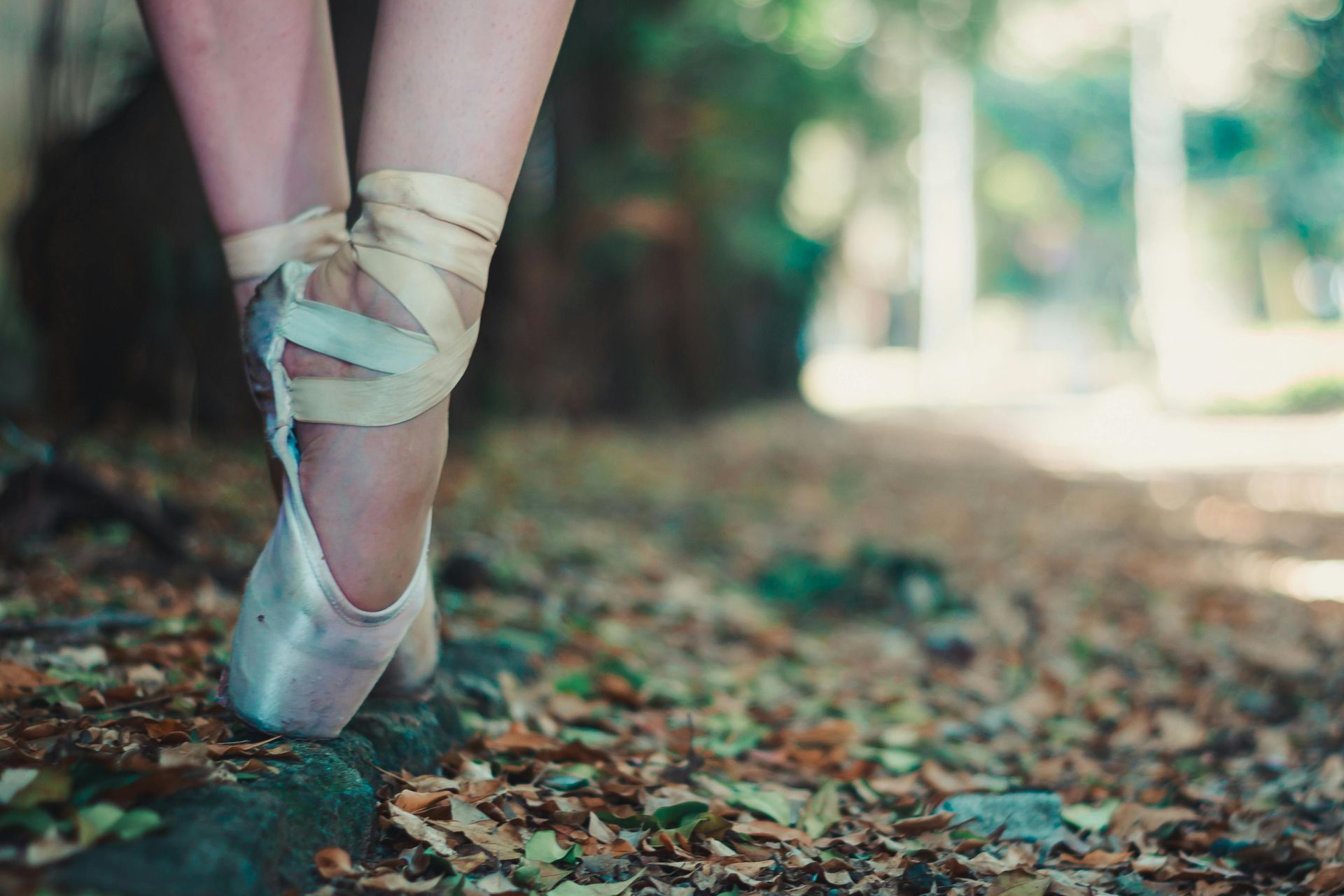
The bell rings, sneakers squeak, and a hundred kids settle onto the floor. Then the music starts. A dancer steps forward, and suddenly the room changes. Children buzzing with energy fall into a hush. They watch a story unfold without a single spoken word — a story told through courage, kindness, frustration, and hope.
This is On the Road with Richmond Ballet, and it’s more than a performance. It’s a lesson in empathy disguised as a fairy tale. It’s a chance for a child to see their own feelings reflected back at them in movement and color. It’s the moment a student whispers, “I feel like that sometimes,” and realizes they’re not alone.
That’s Social Emotional Learning.
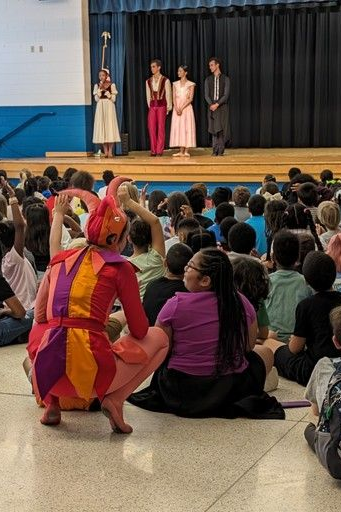
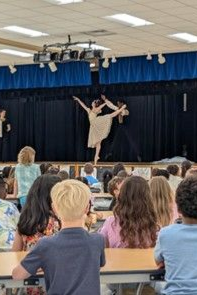
On the Road lecture demonstrations with Richmond Ballet.
Wonder in the Hallways
A week later, another school wakes up to something new. The hallways are filled with glowing lights, swirling colors, and hands-on exhibits that invite students to touch, explore, and ask questions. This is On the Road STEAM, and it turns curiosity into courage on exhibits that invite students to touch, explore, and ask questions.
A shy student who rarely speaks in class suddenly becomes the leader of a small group, explaining how sound waves move. Another student who struggles with confidence lights up when their experiment works. They’re not just learning science — they’re learning to trust themselves, to collaborate, and to try again.
That’s Social Emotional Learning.
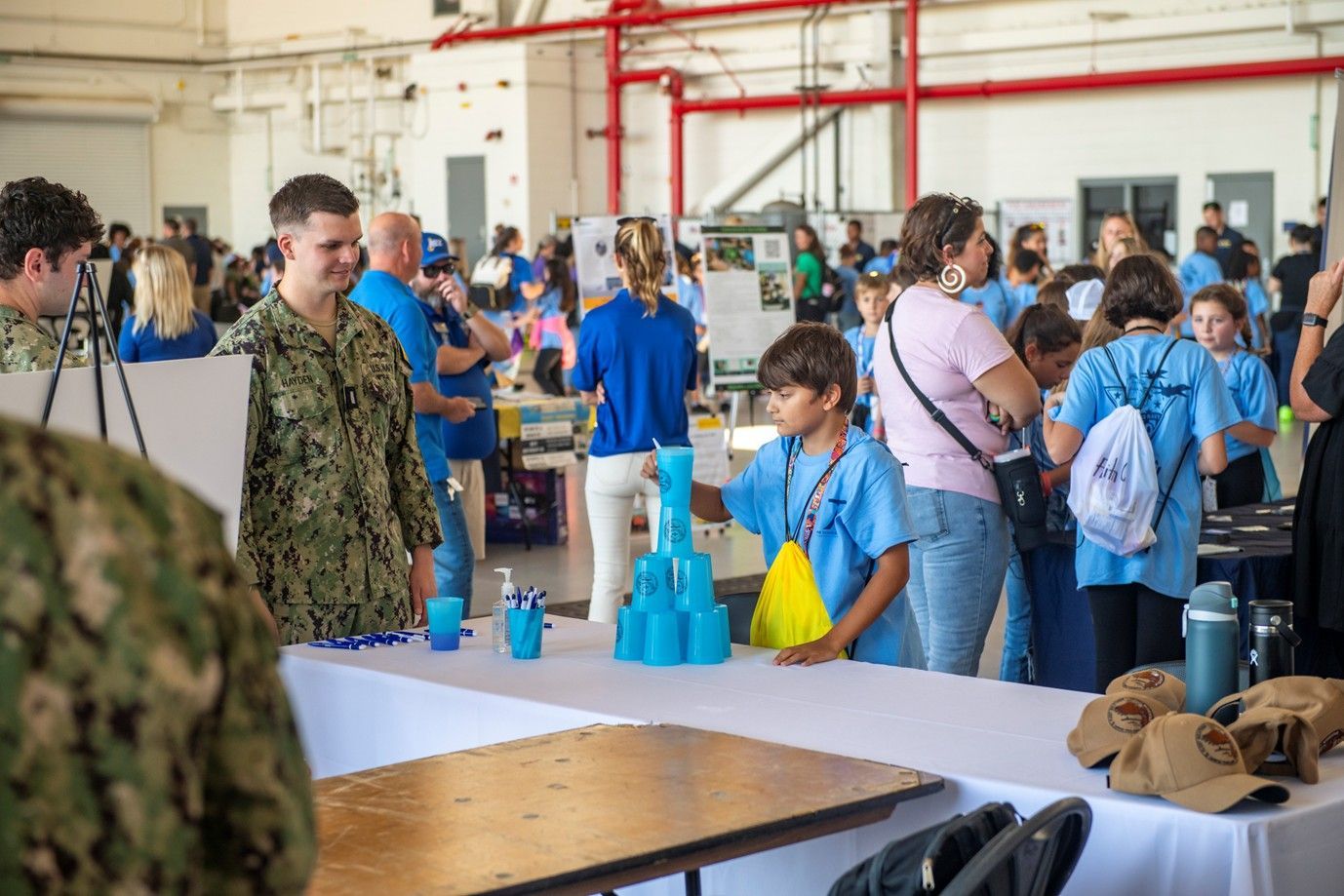
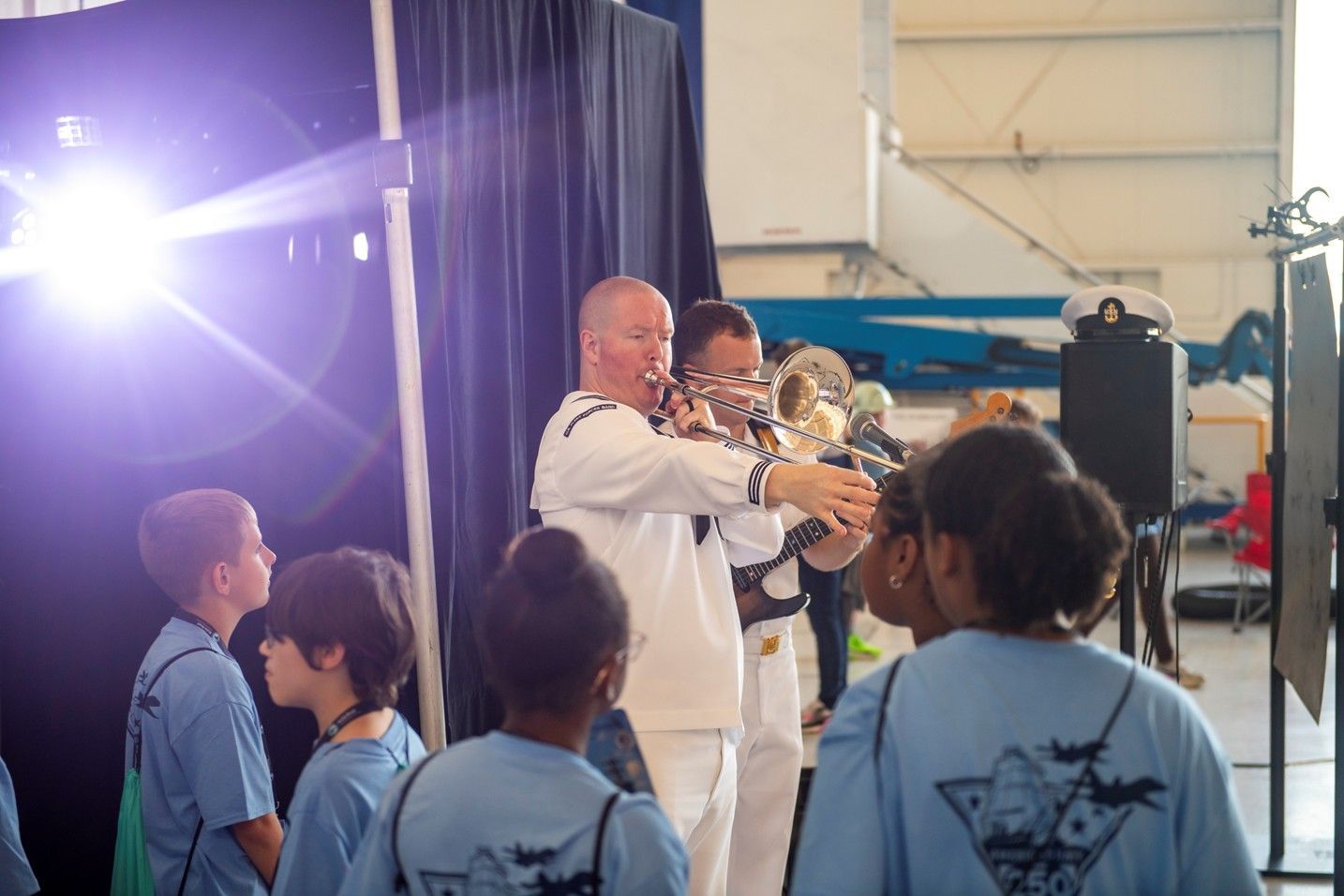
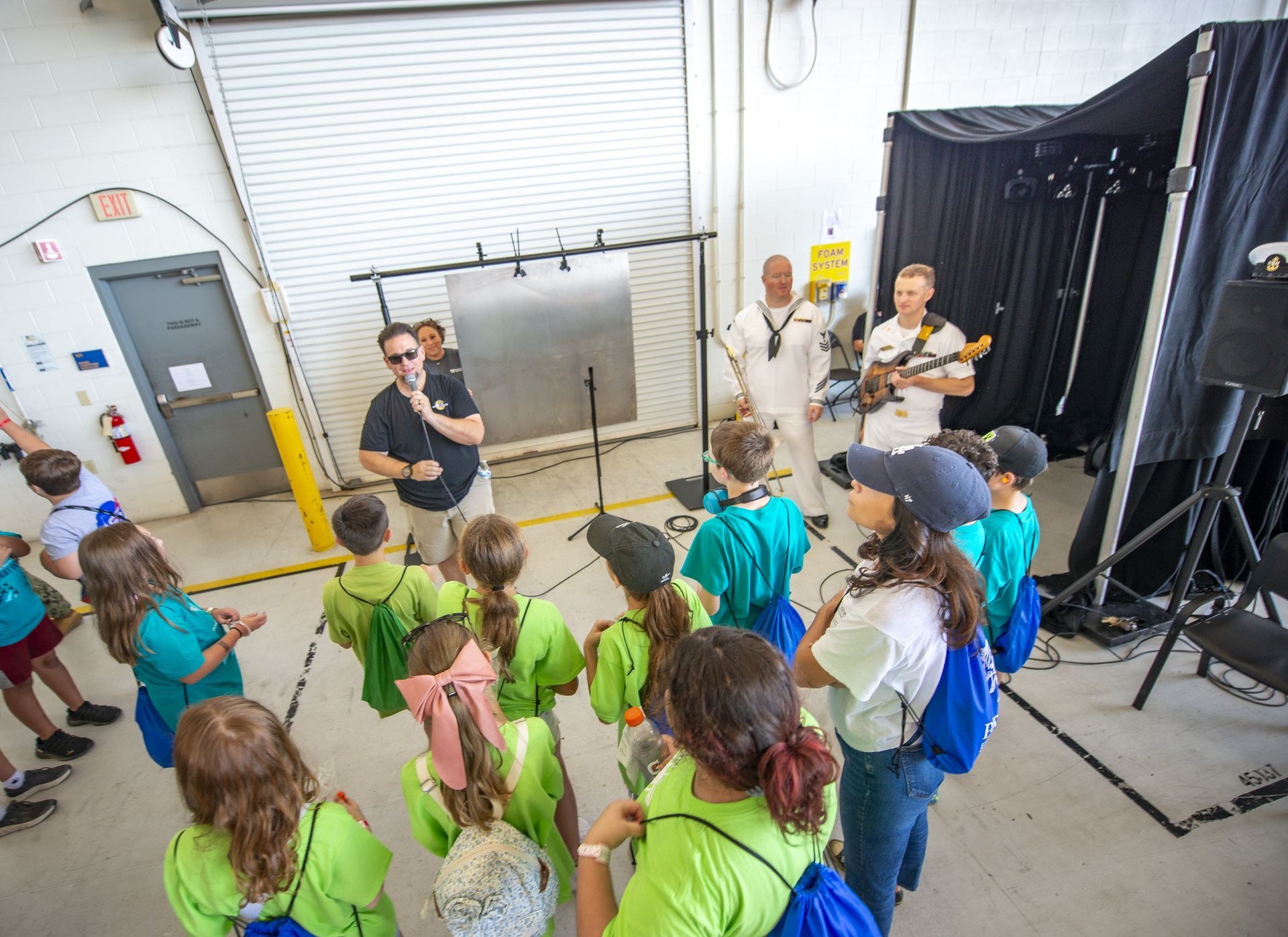
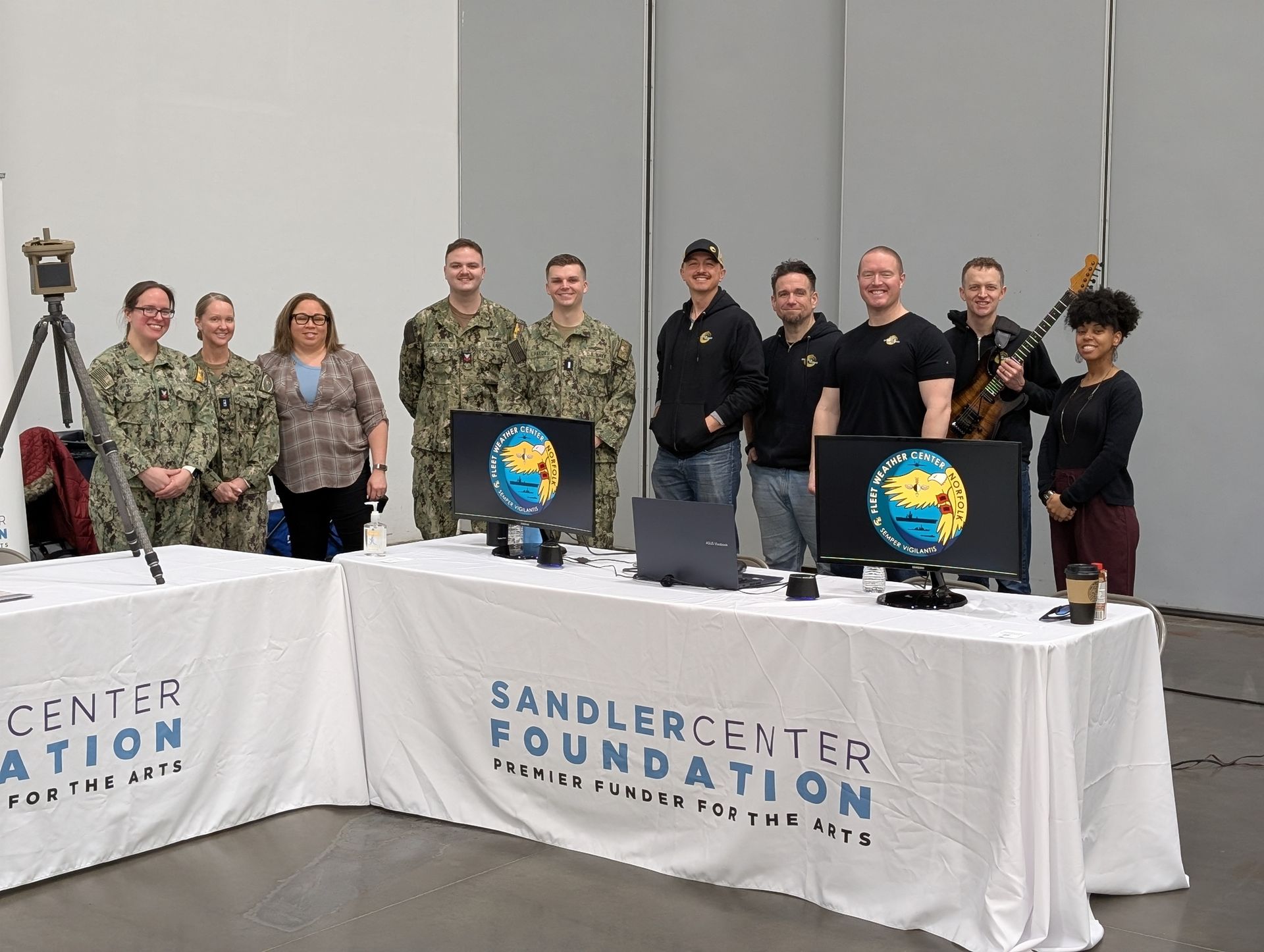
On the Road with Fleet Weather Center Norfolk and Brasswind.
A Classroom Transformed by a Screen
In another corner of the city, a teacher presses ‘play.’ The room is filled with music, movement, and storytelling from our Virtual Academy. Students follow along, reflect, and create. A child who has trouble sitting still finds focus through rhythm. Another who struggles with reading finds meaning in a story told through dance.
They’re learning to manage emotions, to express themselves, to understand others — all through a screen that becomes a window into possibility.
That’s Social Emotional Learning.
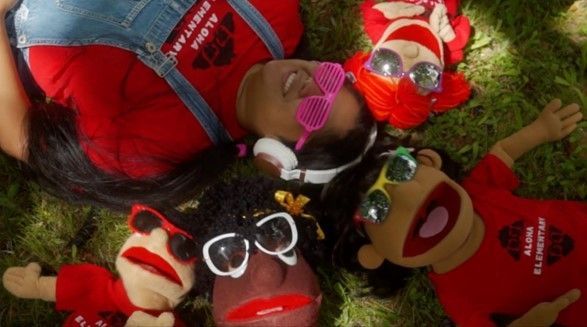
Virtual Academy providing partner Honolulu Theatre for Youth.
A Theater Seat Saved Just for Them
And then there’s the moment a child walks into a theater for the very first time. The lights, the stage, the feeling of being part of something bigger — it’s overwhelming in the best way. Through Leveling the Performing Field, we make sure cost is never the reason a child misses this experience.
For many students, this is the first time they feel truly included in the arts. They see themselves in the performers. They feel the power of community. They learn that they belong in spaces of beauty and creativity.
That’s Social Emotional Learning.
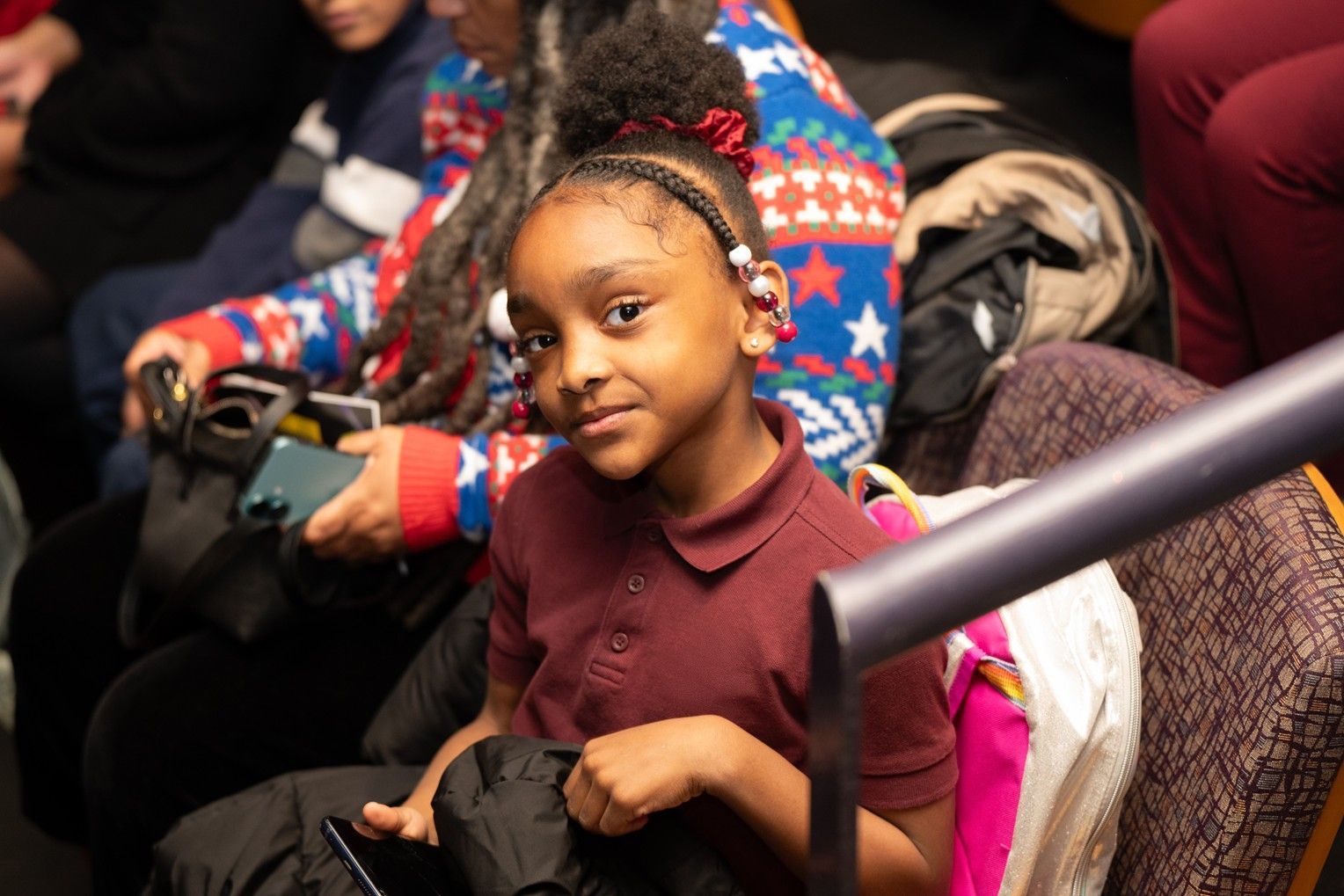
Leveling the Performing Field Student at the Sandler Center for the Performing Arts.
It’s In Our Bones
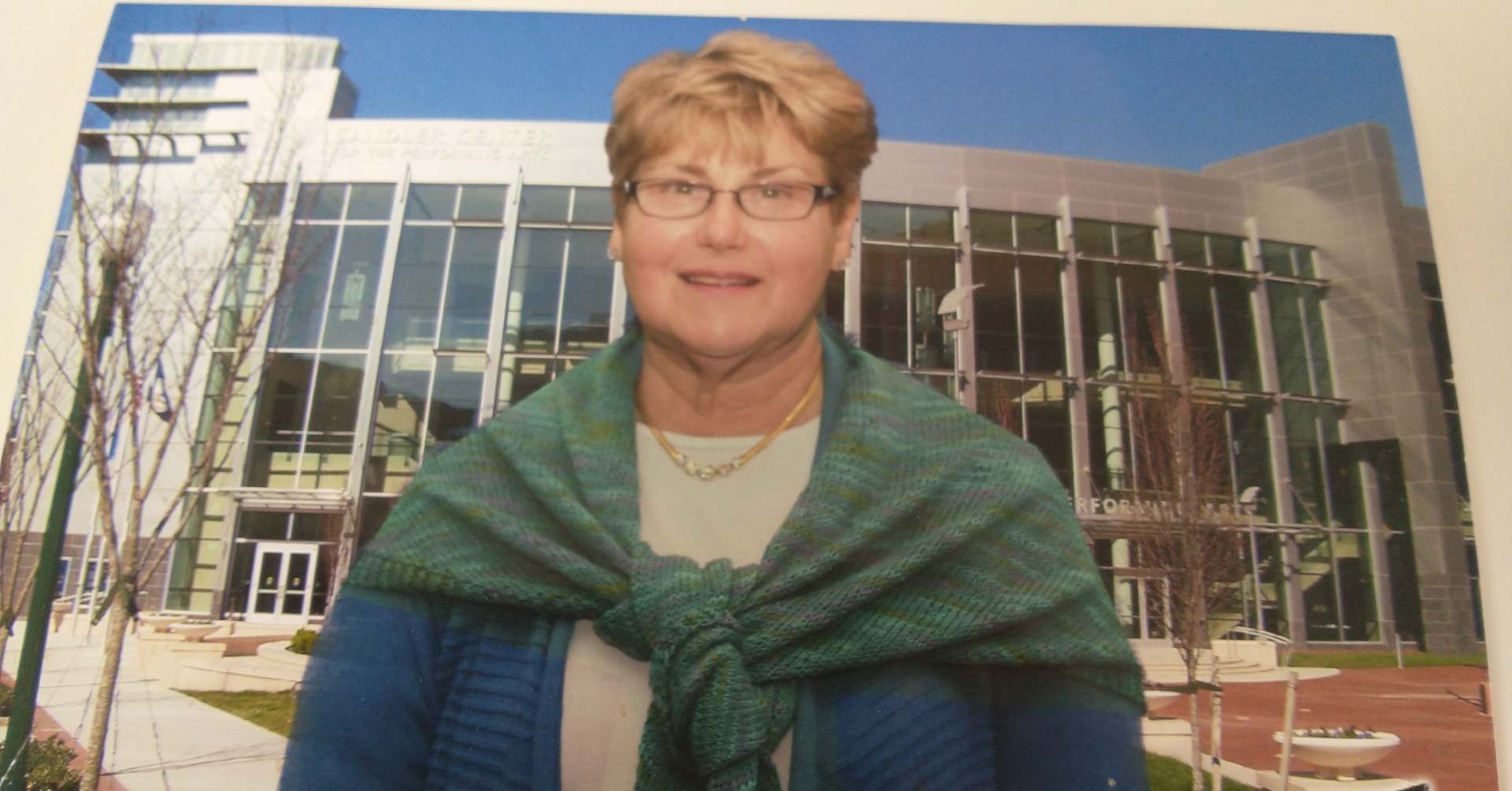
And what about that initial spark? That power of community? What about a child who tries out a performance art like ballet in say, a church basement for example. “A lot like reading a book, [the arts] can open your eyes to a world you didn’t realize was there, and you can see yourself in that world,” observes our friend and longtime SCF Board member Katherine Willis. “For children so young they can’t even read yet, the performing arts is their way in.”
Her passion for the arts—dancing ballet with wonder in that church basement—meant a lot as she helped the Sandler Center Foundation cultivate the same excitement in children who walk through a theatre door, enter a classroom, or turn on a computer screen. Read more about the Gwathmey Family’s impact HERE.
“It’s so much a part of sharing feelings, emotions, stories, history, and expressing oneself. It makes a difference, because not only can it help with sadness and depression, but it can also plant seeds of hope. People can see a future for themselves...”
That’s Social Emotional Learning.
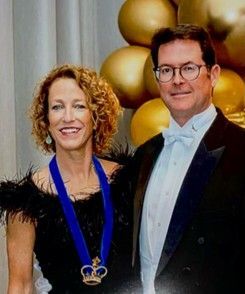
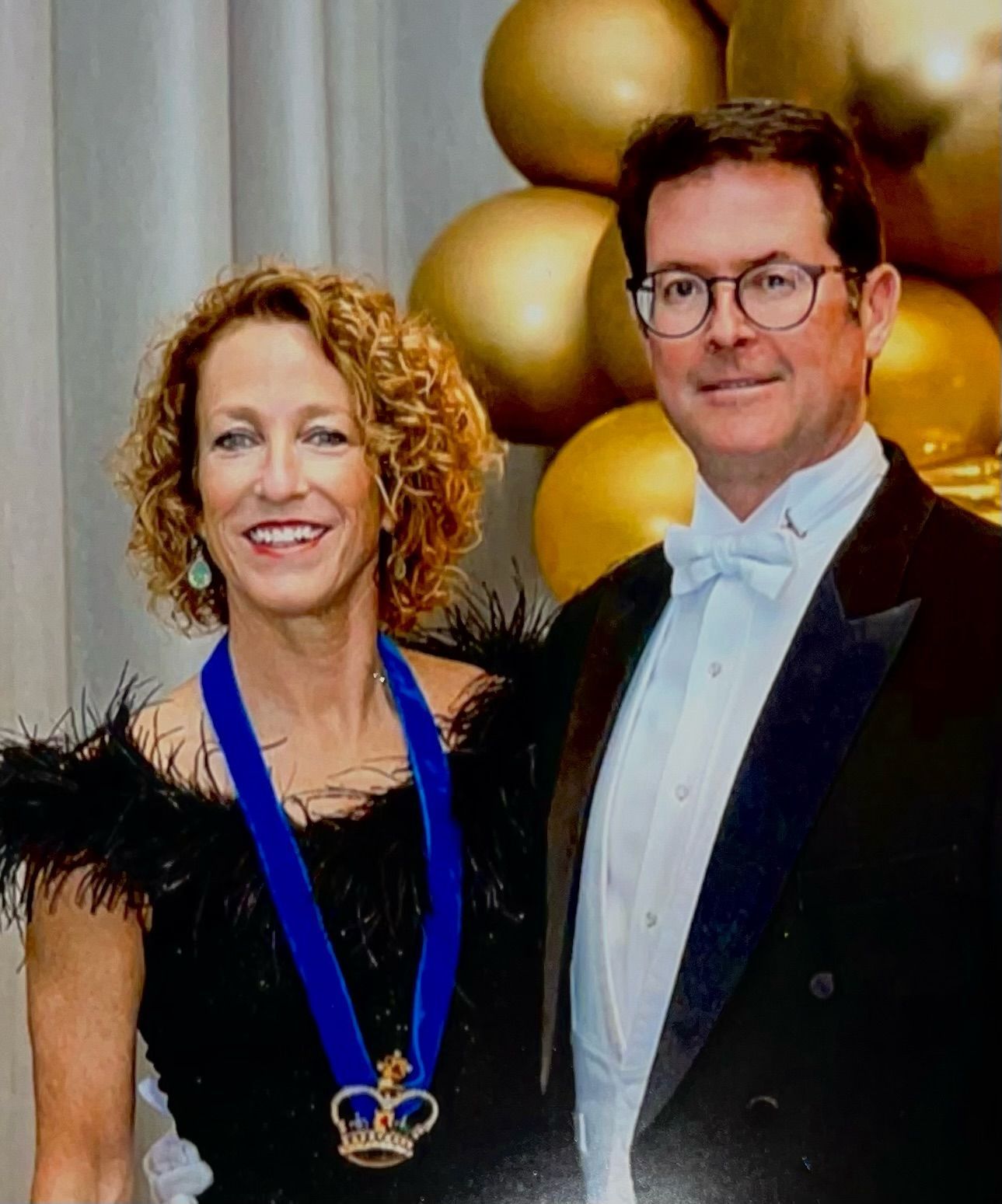
Katherine and her husband.
The Ripple Effect
Every program we offer — from school visits to STEAM exhibits to virtual lessons to artist receptions that strengthen our creative community — is rooted in the belief that the arts shape the whole child.
Because when a child learns to feel deeply, imagine boldly, and connect authentically, everything else becomes possible.
In March we celebrate Social Emotional Learning.
But at the Sandler Center Foundation, we celebrate it every day — in every school, every hallway, every classroom, every performance, and every child who discovers something new about themselves through the arts.