Performative or Substantive?
As we wrap up our fiscal year-end, I have been reflecting not only on this past year but on the last six years. In a world filled with quick social posts and AI-generated content, I want to offer a clear look at the difference between what is performative and what is substantive.
A quick rewind to 2019
The year before COVID, the Sandler Center Foundation was on track to reach a record of 16,000 students through our programs. It had taken us roughly nine years to build to that level, and we were proud of what we had created.
Then the pandemic hit, and that number dropped to zero.
Zero students. Zero programs. Zero certainty.
So why revisit a moment from six years ago?
Because what happened next is the part that truly shaped us. We spent a long stretch planning, reflecting on our values, rethinking our structure, and working through hard questions with our Board, our team, and our partners. In my Harvard world, this kind of work is called change architecture. It is the deeper institutional strategy that sits underneath everything. It is substantive, not performative.
Substantive work takes time. It takes careful thought. It takes strategy. It requires thick skin while people on the sidelines say things like, ‘you do not seem to be doing anything.’
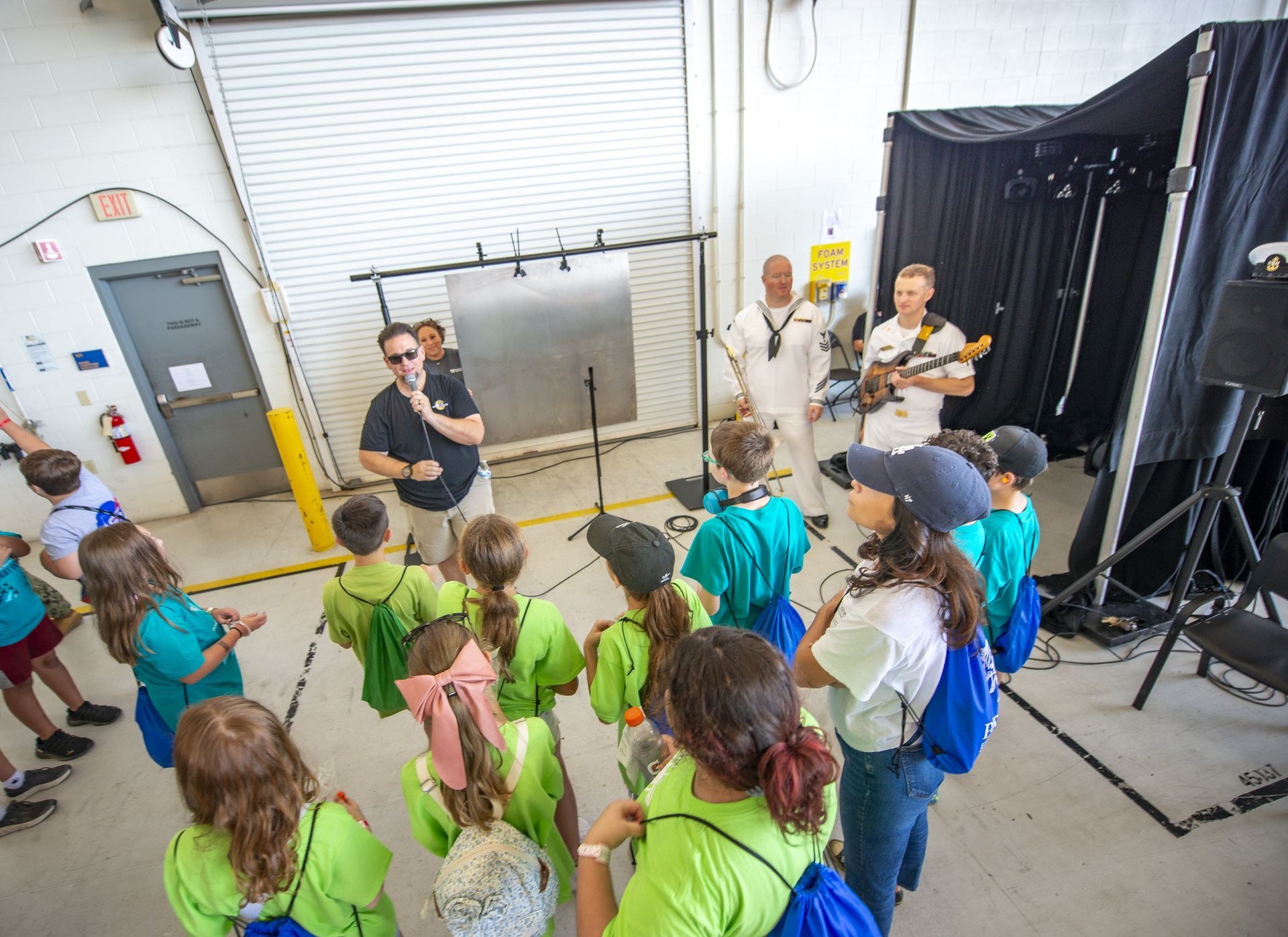
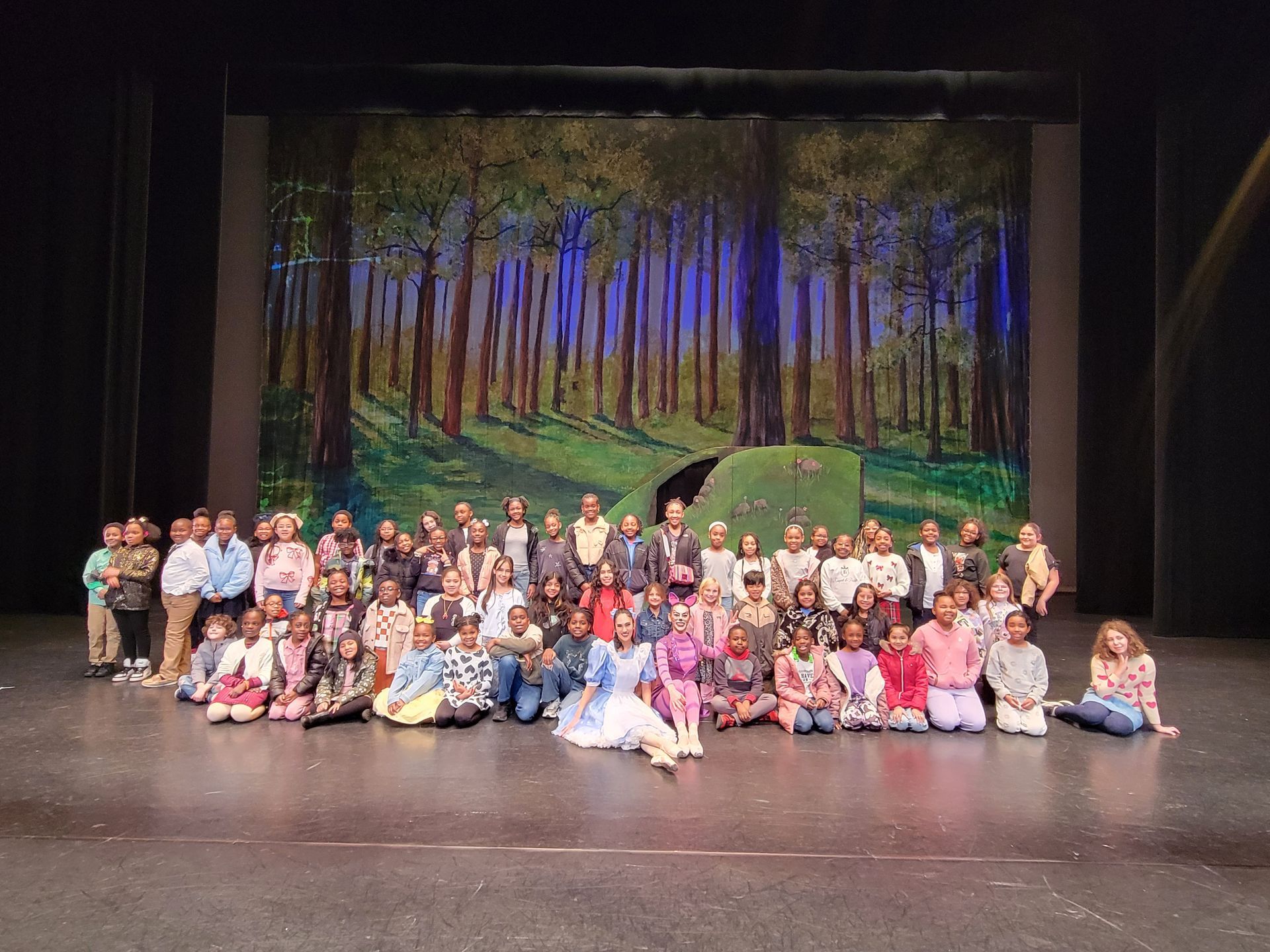
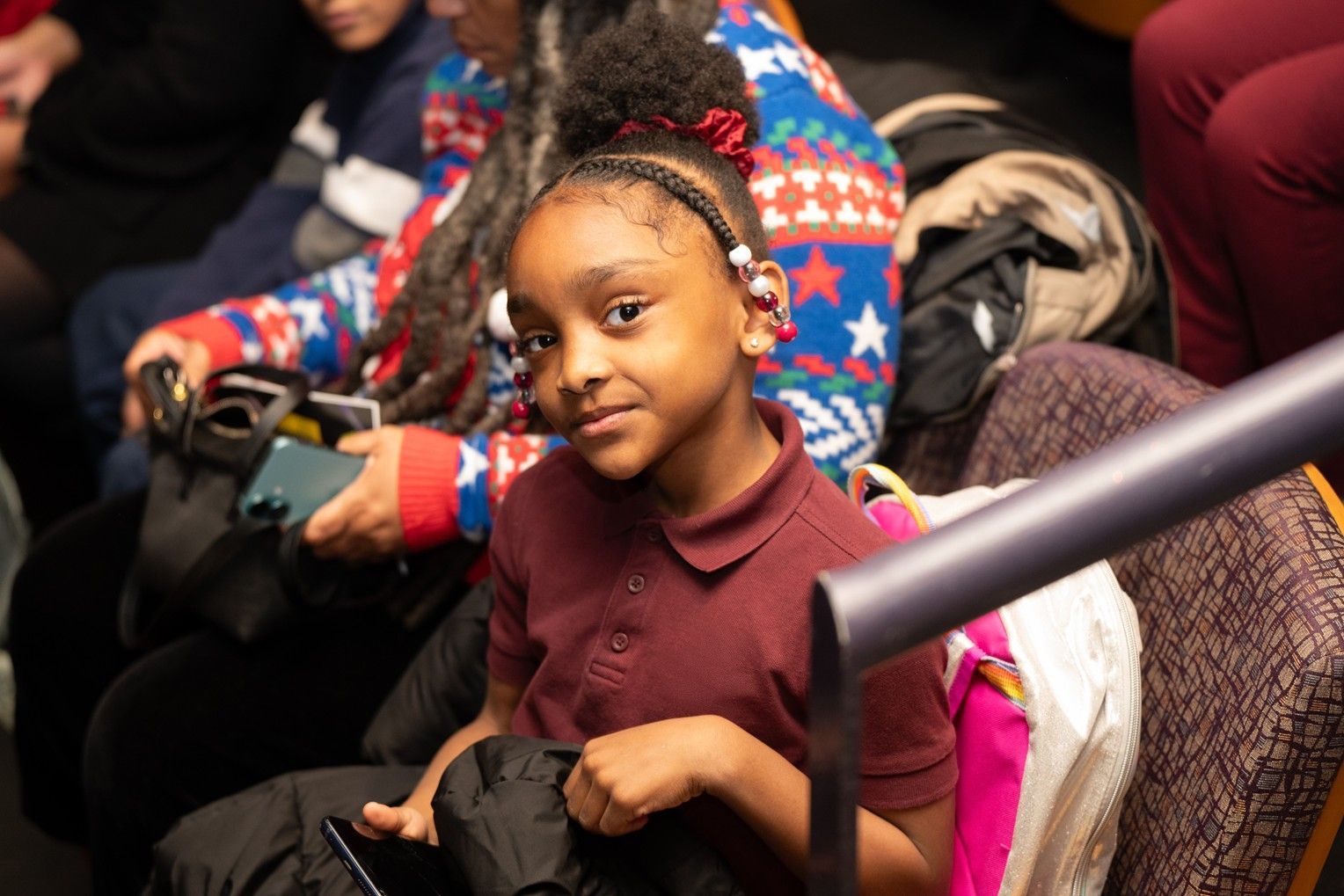
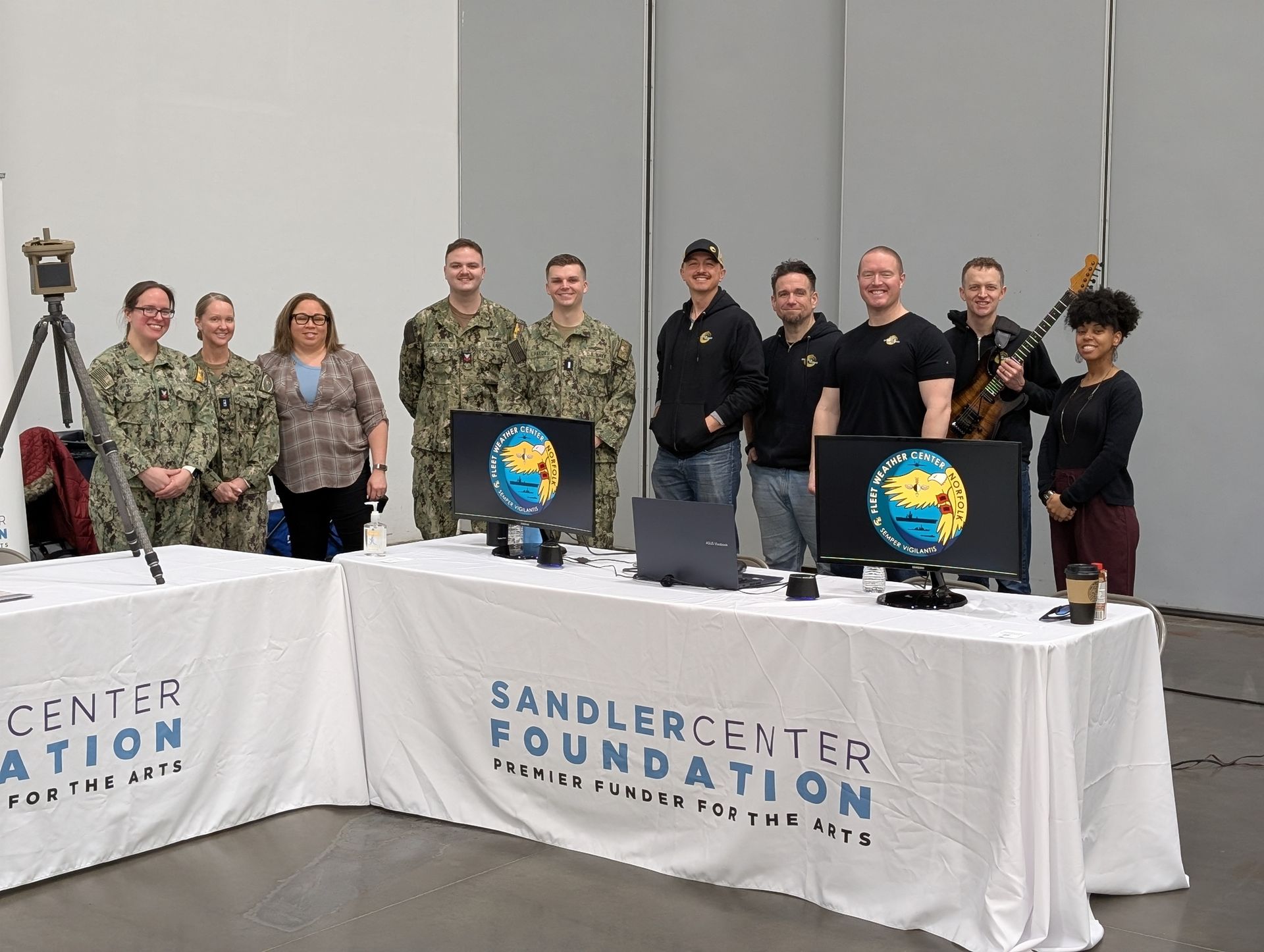
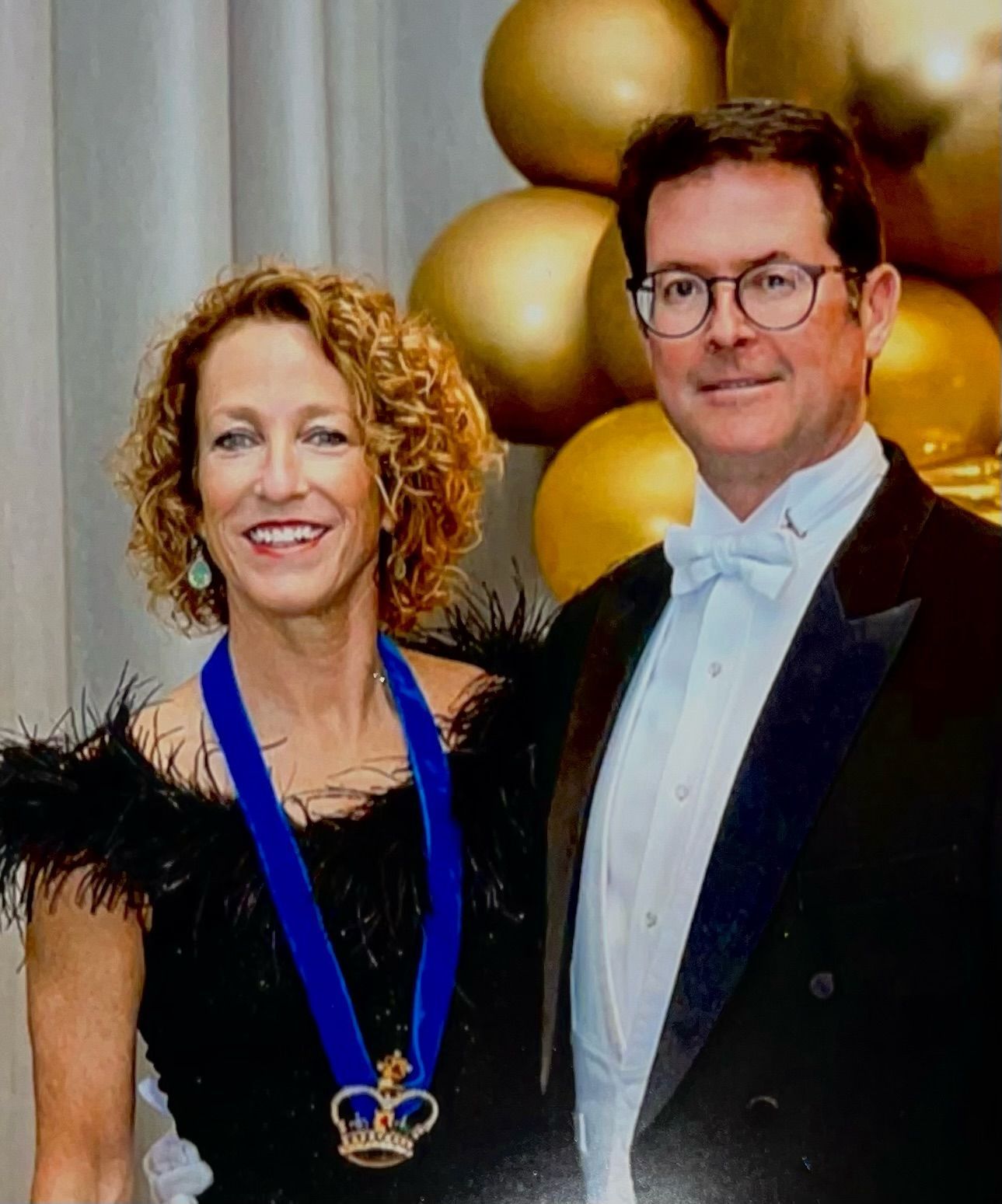
Performative work is easy. It is a cute photo on social media. It is a quick moment of visibility. It is a performative signal.
Substantive work is different. It starts with asking what children need, what teachers need, what the community needs, and what our stakeholders value. Then it requires designing an organization that can actually meet those needs. That means bringing in the right partners, vendors, collaborators, Board members, and staff. It means building systems that can scale and endure.
That is the work we did.
And here is what happened
Remember, we started with zero programs and zero students six years ago. The pandemic wiped everything out. We rebuilt from nothing. We were fortunate to work with some very smart people who believed in what we were trying to do. They stayed with us, and others joined in. Slowly, the work began to show real momentum.
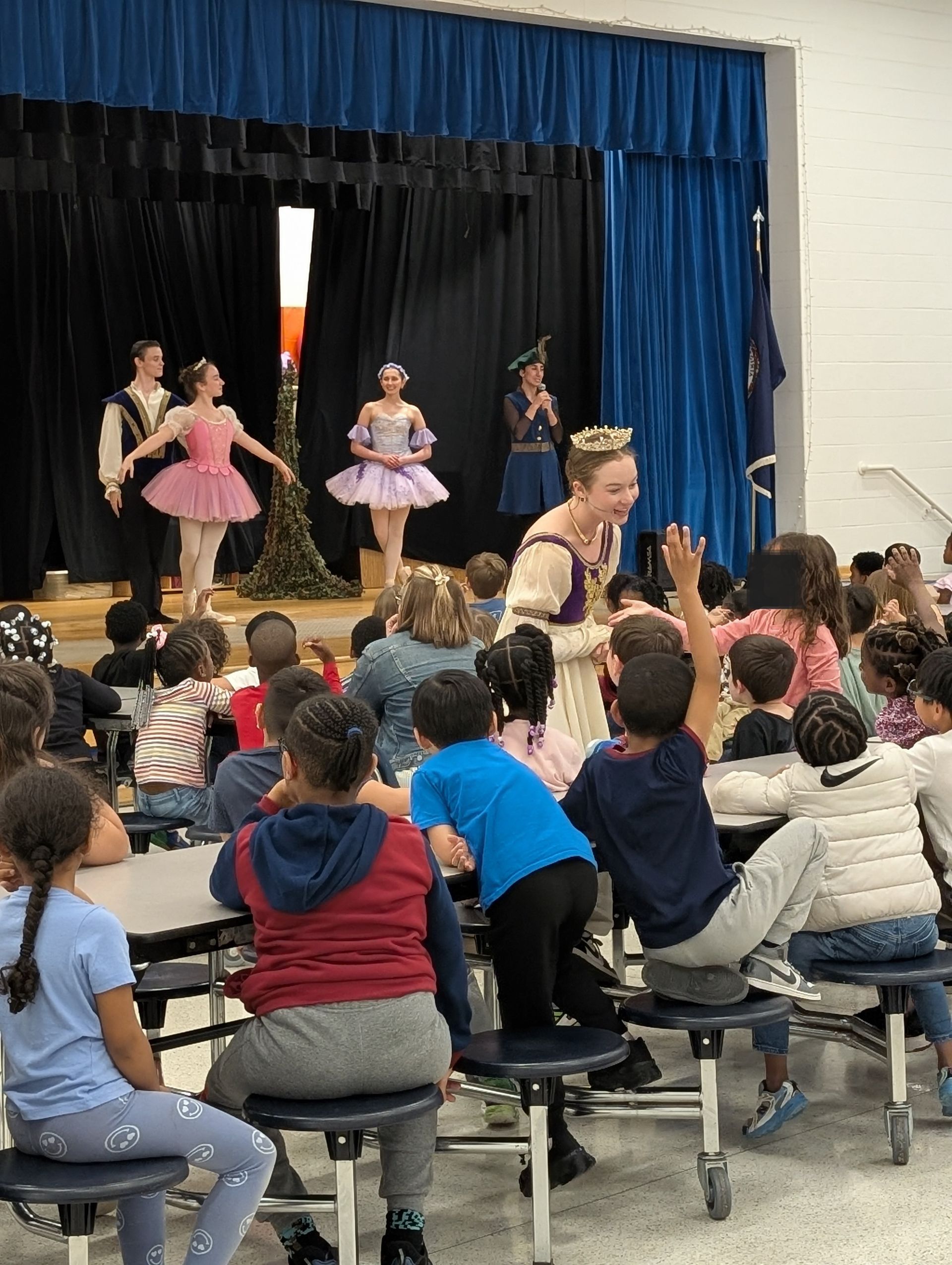
Last academic year, in 2024 to 2025, we reached just over 10,000 children, teachers, and community members with world-class performing arts experiences. The momentum had begun.
This year, 2025 to 2026, we more than doubled that number and reached 22,318. A 123 percent increase year over year. The momentum is building, and it is not performative. It is substantive.
The next chapter
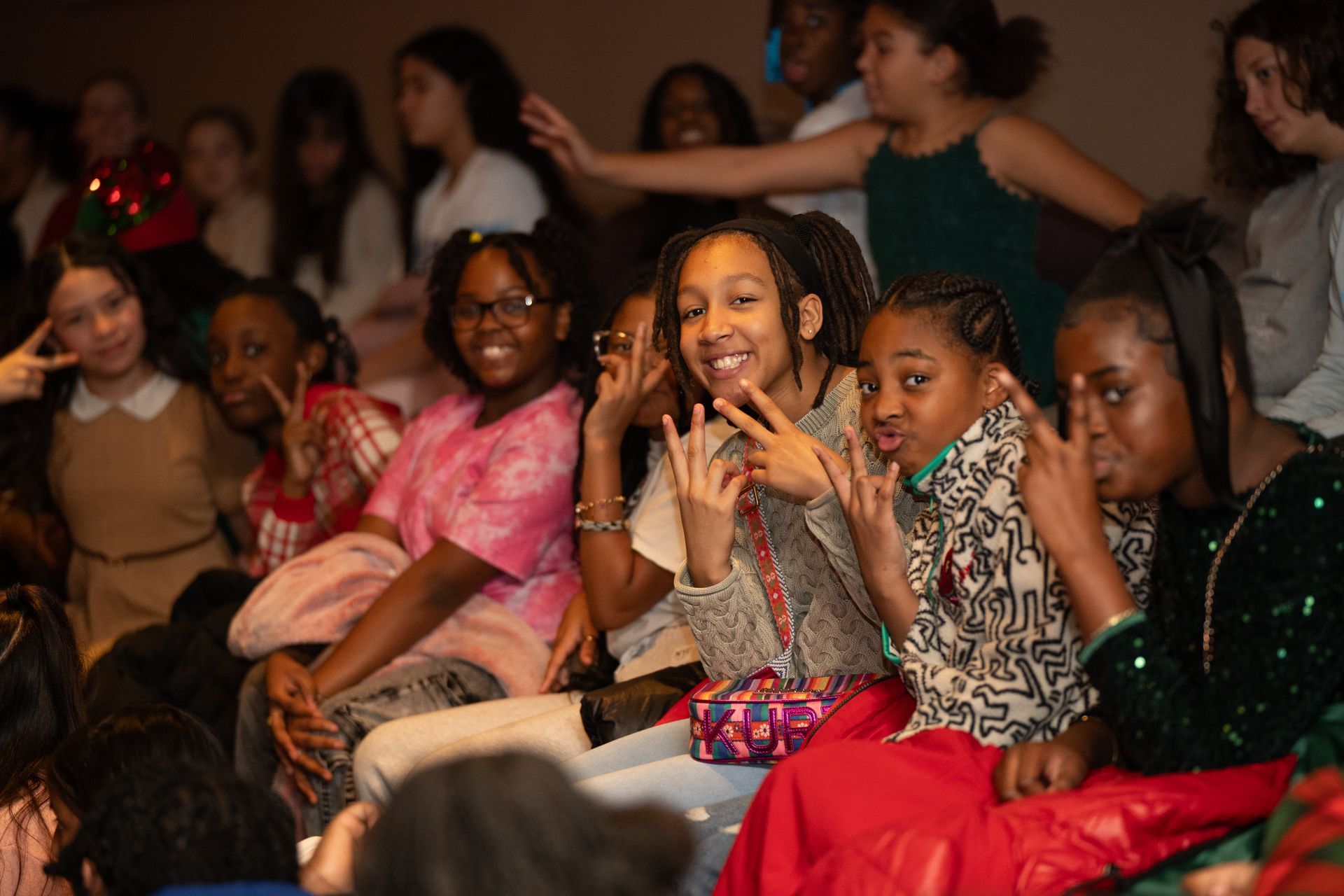
The work does not stop here. Substantive change is not a single milestone. It is a discipline. It is a way of leading. It is a commitment to keep asking better questions and to keep designing better systems that serve children, teachers, and the community with even greater reach and impact.
We rebuilt from zero once. Now we are building from strength. The next chapter is about scale, depth, and long-term sustainability. It is about continuing to align our mission with the real needs of the people we serve. It is about expanding access, strengthening partnerships, and creating opportunities that did not exist before. And it is about being agile enough to roll with whatever the world throws at us.
Most of all, it is about staying rooted in the same principle that carried us through the hardest years. Not performative. Substantive.
Follow along on our social media to see some of those performative moments and know they came from substantive change.
Thank you for being part of this work and for believing in what substantive change can create.
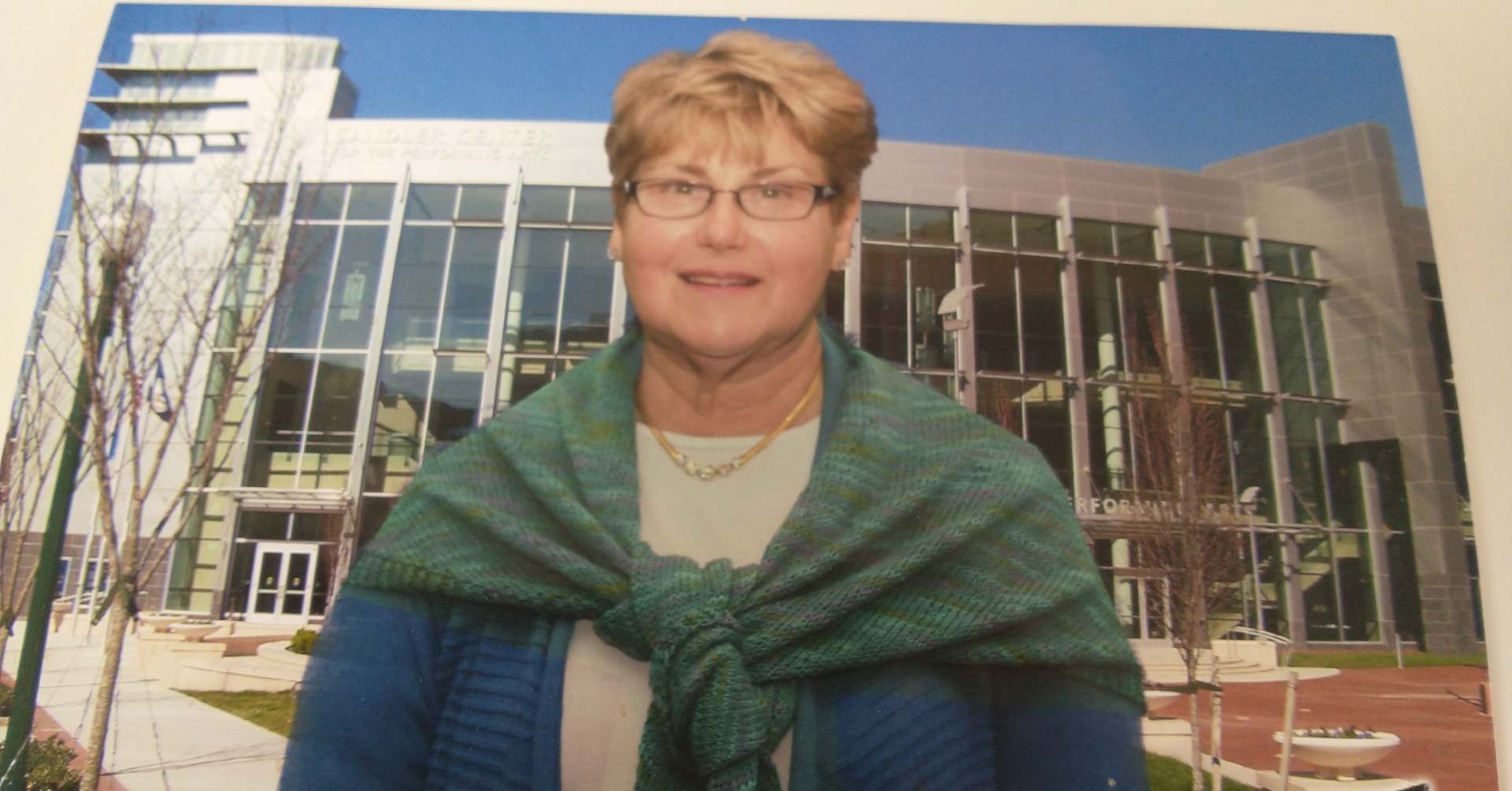
Lisa Baehre
SCF Executive Director and CEO